
Polymyositis is an inflammatory muscle condition that can make ordinary movements feel unexpectedly demanding. Getting up from a chair, climbing stairs or even lifting your arms may gradually become harder than before. But why does this happen, and what can be done about it?
Key takeaways
- Polymyositis causes inflammation and weakness in muscles, particularly those close to the centre of the body.
- Everyday tasks can become difficult because affected muscles may struggle to generate normal strength.
- Weakness that develops gradually should not simply be dismissed as ageing, tiredness or being unfit.
- Diagnosis usually involves a combination of medical assessment and appropriate investigations.
- The right approach to polymyositis treatment depends on the individual’s symptoms, health and clinical findings.
Why can simple movements suddenly feel like hard work?
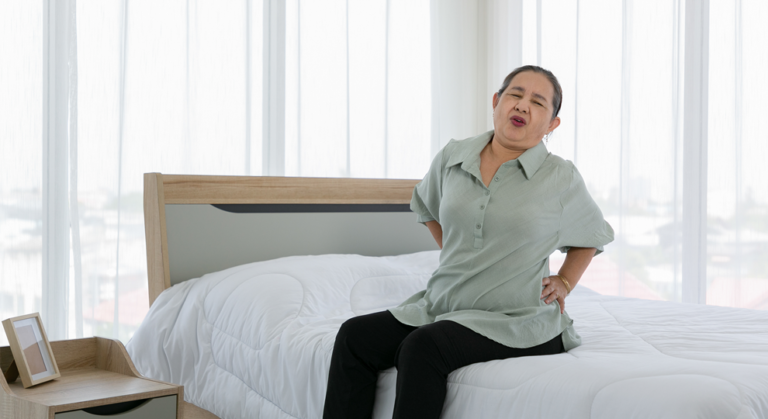
One of the unusual things about polymyositis is that the difficulty may not always feel like typical muscle pain. Instead, muscle weakness can become the main problem.
Polymyositis involves inflammation of muscles and can particularly affect muscles around the hips, thighs, shoulders and upper arms. These muscles are involved in many movements that people perform without consciously thinking about them.
For example, you may notice difficulty with,
- Standing up from a low chair
- Walking upstairs or getting up from the floor
- Lifting objects above shoulder level
- Getting dressed or brushing your hair
- Carrying shopping bags
- Getting in and out of a car
What makes this frustrating is that these tasks may previously have required very little thought. As muscle weakness progresses, however, the body may have to work much harder to perform them.
Could polymyositis be mistaken for ordinary tiredness?
It can be easy to attribute gradual weakness to a busy lifestyle, lack of exercise or getting older. However, persistent or progressive difficulty with movement deserves attention, particularly when it affects several everyday activities.A useful distinction is that general tiredness may improve with adequate rest, while muscle weakness can continue to interfere with specific movements.
Other symptoms can occur alongside muscle weakness, depending on the individual. These may include,
- Muscle aches or tenderness
- Difficulty swallowing
- Tiredness
- Problems with certain physical activities
Not everyone experiences the same combination or severity of symptoms.
How is polymyositis diagnosed?
There is no single symptom or test that confirms polymyositis. A doctor may consider your symptoms, medical history and physical examination before deciding which investigations are appropriate.
Depending on the situation, assessment may include,
- Blood tests to look for muscle-related changes
- Tests for specific antibodies
- Electromyography (EMG)
- Magnetic resonance imaging (MRI) of muscles
- Muscle biopsy in selected cases
These investigations can help distinguish polymyositis from other conditions that may also cause muscle weakness.
What does polymyositis treatment involve?
There is no single approach that is suitable for everyone. Polymyositis treatment is generally planned according to the underlying inflammation, symptoms, muscle involvement and overall health.
Treatment may involve medicines to control inflammation or regulate the immune response. Rehabilitation and physical activity may also form part of care, with the type and intensity guided according to the person’s condition.
The aim is not simply to make movement easier for one day. Ongoing medical assessment can help determine how the condition is responding and whether the management approach needs adjustment.
Frequently asked questions
Is polymyositis the same as normal muscle weakness?
No. Polymyositis is an inflammatory muscle condition. The weakness can be related to inflammation affecting the muscles rather than simply lack of fitness or physical activity.
Can polymyositis affect walking?
Yes. When muscles around the hips and thighs are affected, activities such as walking, climbing stairs or standing from a seated position may become more difficult.
Can polymyositis affect swallowing?
In some people, muscles involved in swallowing may also be affected. Difficulty swallowing should be discussed with a doctor.
Is polymyositis treatable?
Polymyositis can be medically managed, although the appropriate treatment varies between individuals. A doctor will determine the suitable approach based on the person’s clinical assessment and investigations.
When should I see a doctor about muscle weakness?
If muscle weakness is persistent, progressive or interfering with normal activities, it is sensible to seek medical assessment rather than assuming it is simply tiredness or ageing.
When everyday movements start feeling unusually difficult
Small changes in movement can sometimes be easy to overlook, especially when they develop gradually. But persistent muscle weakness can have several possible causes, and identifying the reason is an important part of deciding what happens next.
If you are experiencing unexplained or progressive muscle weakness, ELIM Rheumatic Centre provides rheumatology care in Singapore. A consultation can help assess your symptoms and determine whether further evaluation is appropriate.