Polymyositis is an inflammatory muscle condition that can make ordinary movements feel unexpectedly demanding. Getting up from a chair, climbing stairs or even lifting your arms may gradually become harder than before. But why does this happen, and what can be done about it?
You may notice hives appearing after a stressful day, a hot shower or exercise and then disappearing, only to return days later. That can make it difficult to work out what is actually triggering them.
The answer is not always as straightforward as avoiding one particular food or product. Hives can be influenced by physical triggers, infections, medicines and other factors, and sometimes no single trigger can be identified.
Key takeaways
- Heat, sweating, pressure, friction and emotional stress can contribute to hives in some people.
- Recurrent hives do not necessarily mean that a person has an allergy to something they recently ate or touched.
- Keeping track of when the rash appears can help identify patterns, but the trigger may not always be obvious.
- Hives that keep returning may need medical assessment to distinguish short-term episodes from chronic urticaria.
- Swelling involving the lips, tongue or throat, particularly with breathing difficulty, requires urgent medical attention.
Why can hives appear when nothing seems to have changed?
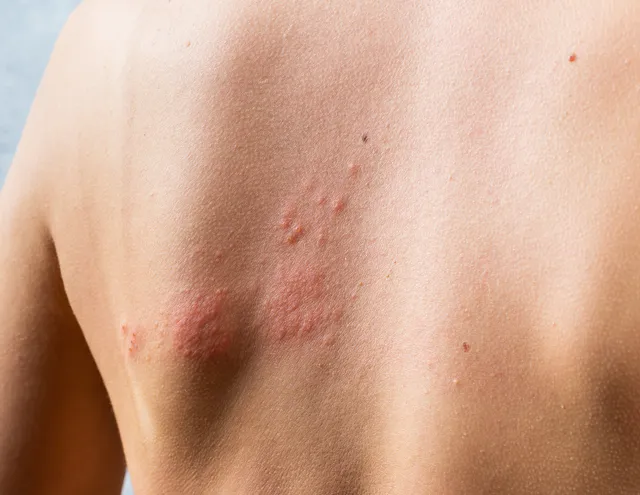
Hives, also called urticaria, are raised, itchy areas on the skin caused by the release of substances such as histamine from certain skin cells. They can develop quite suddenly and may move from one area of the body to another. Individual hives often fade within hours, although new ones may appear as others disappear.
One reason recurring hives can be confusing is that the trigger is not always an allergy. Some possible triggers include,
- Heat and sweating
- Exercise
- Pressure or friction against the skin
- Emotional stress
- Infections
- Certain medicines
- Foods in some cases
- Cold or other physical environmental factors
For some people, several factors may overlap. For example, a stressful day followed by exercise in a warm environment may coincide with an episode, making it difficult to identify which factor mattered.
Could stress really make hives come back?
Stress does not mean that hives are simply “in your head”. Emotional stress can be associated with flare-ups in some people, although the relationship is not always straightforward.
Stress may also change everyday habits. You may sleep differently, exercise less or more, sweat more, or use different skincare products. These changes can make it harder to identify what is associated with a flare.
That is why it can be more useful to look for patterns rather than blame one trigger immediately.
What about constant heat and humidity?
Living in a hot and humid climate can make sweating and overheating more noticeable. For people whose hives are triggered by heat, sweating or changes in body temperature, activities such as exercise or spending time outdoors may coincide with symptoms.
However, developing hives due to a hot climate does not automatically mean that the weather is the cause. A useful record may include,
- When the hives appeared
- What you were doing beforehand
- Whether you had been exercising or sweating
- Recent foods, medicines or supplements
- Recent illness
- Exposure to heat, cold, pressure or friction
- How long the individual patches lasted
This information can give a doctor useful context during an assessment.
When does recurring urticaria need a closer look?
Occasional hives may settle without a clear explanation. But when episodes keep returning over a prolonged period, it is worth discussing them with a doctor.
The assessment may involve looking at the pattern of symptoms, possible triggers, medicines, medical history and whether there are other symptoms alongside the rash. Testing is not necessarily the same for everyone; the appropriate approach depends on the clinical history.
Importantly, repeatedly developing hives does not automatically mean that extensive allergy testing will identify the answer. In some cases, a clear trigger cannot be established.
What should you do when hives keep returning?
Rather than eliminating multiple foods or changing your entire routine at once, consider recording the circumstances surrounding each episode. This can help avoid unnecessary restrictions while giving your doctor more useful information.
Treatment, if needed, depends on the type and pattern of urticaria and the individual’s circumstances.
Frequently asked questions
Can stress cause hives even if I have never had an allergy?
Stress can be associated with hives in some people, but hives have several possible triggers and are not necessarily caused by an allergy. A recurring pattern should be assessed in context rather than attributed to stress alone.
Can heat and sweating trigger hives?
They can contribute to hives in some individuals, particularly when symptoms repeatedly occur with overheating, sweating or exercise. However, other possible triggers should also be considered.
Does recurring hives mean I have a food allergy?
Not necessarily. Food can trigger hives in some people, but recurring hives can also occur for other reasons. Avoiding multiple foods without a clear reason may not be appropriate, so suspected food triggers should be discussed with a doctor.
Should I see a doctor if my hives keep coming back?
If hives are recurring, persistent or interfering with daily life, medical assessment can help determine the pattern and whether further evaluation or treatment is appropriate.
When are hives an emergency?
Seek urgent medical attention if hives occur together with swelling of the tongue or throat, difficulty breathing, faintness or other symptoms suggesting a severe allergic reaction.
Schedule a consultation to take a closer look at recurring hives
Hives can sometimes be linked to something as ordinary as heat, sweating or pressure, but recurring episodes are not always explained by one obvious trigger. Keeping a symptom record and discussing the pattern with a doctor can be more useful than repeatedly guessing what caused each flare.
If recurring hives are becoming difficult to understand or manage, consider booking a consultation with ELIM Rheumatic Centre where the team of doctors can assess the symptoms and clinical history. Dr. Tan Teck Choon and Dr. Eugene Lim can discuss whether further medical assessment is appropriate based on the individual’s presentation.